Articles / Current post

A Brief Overview of Contracts

Vladimir Sadekov Vladimir Sadekov

Vladimir Sadekov

A Brief Overview of Contracts

How to properly conclude a contract and avoid legal disputes?

Why doesn't a signed contract always protect the parties? When is an agreement considered legally binding? What happens if the parties interpret its terms differently? And why do so many court disputes arise from mistakes made at the contract formation stage?

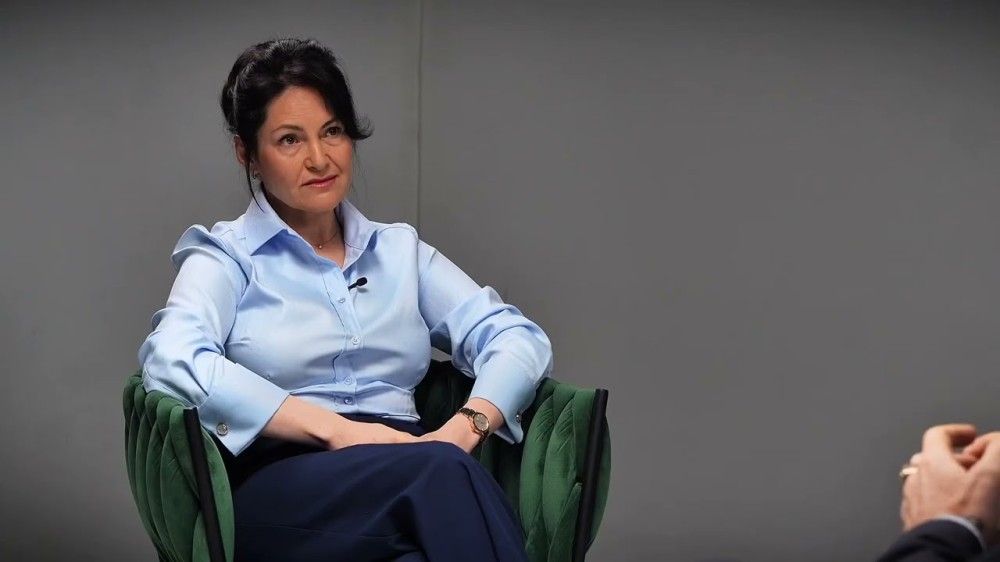
In this video, Attorney-at-Law Vladimir Sadekov and lawyer Marina Smirnova discuss:

  • what a contract is and when it is considered legally concluded;
  • which contractual terms are considered essential;
  • when an oral agreement is sufficient and when a written or notarized contract is required;
  • how courts interpret contracts in the event of a dispute;
  • how oral agreements are proven and what the burden of proof means;
  • whether the invalidity of one contractual provision can affect the validity of the entire agreement;
  • how to choose the appropriate jurisdiction, governing law, and arbitration institution;
  • when international conventions and international arbitration apply;
  • the most common mistakes made during contract formation that lead to litigation.

We also cover:

  • contracts between private individuals;
  • breaches of contractual obligations;
  • key aspects of proving performance of contractual obligations;
  • practical recommendations for drafting contracts and minimizing legal risks.

 This video is particularly useful for:

  • entrepreneurs and business owners;
  • company executives and managers;
  • anyone who regularly enters into contracts;
  • anyone who wants to protect their interests and avoid costly legal disputes.

A well-drafted contract is not just a formality — it is one of the most effective tools for protecting your rights and interests. The more carefully you negotiate and document its terms before signing, the less likely you are to face conflicts and expensive litigation in the future.